
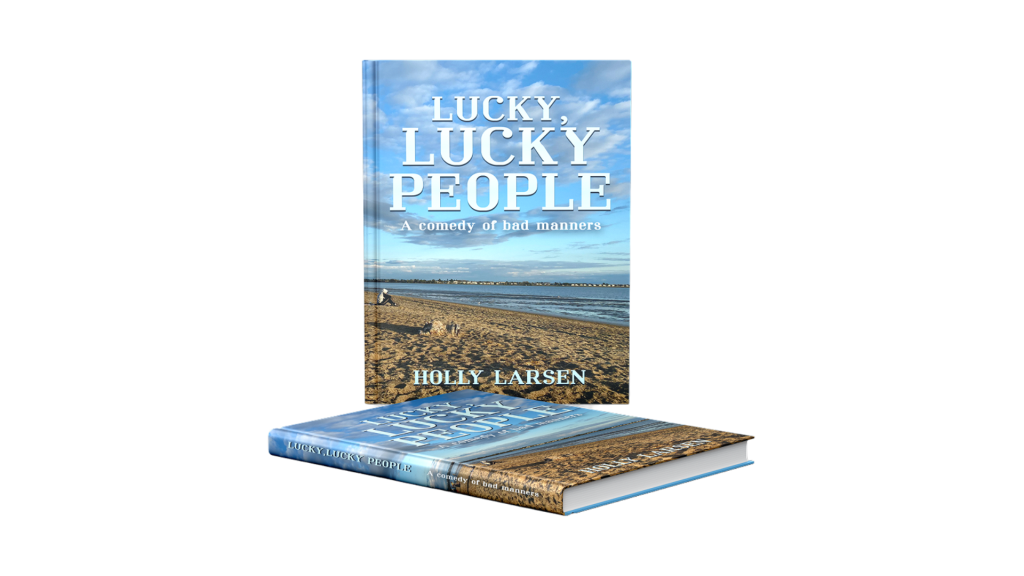
Family relationships shape identification, picks, and emotional resilience. In Holly Larsen’s Lucky, Lucky People, own family dynamics quietly inform every decision and reaction. The tale unfolds through layered relationships that reflect present-day emotional realities. From strained partnerships to unspoken generational tension, Larsen captures how families have an impact on private increase. Rather than dramatizing battle, she affords diffused moments that experience acquainted and human. As an end result, readers join deeply with the characters’ struggles and hopes. This fractured families book speaks to folks that understand that love and conflict often exist collectively. Through considerate storytelling, Larsen gives insight, warm temperament, and recognition without exaggeration or judgment.
How a Fractured Families Book Builds Emotional Depth
Family tension drives emotional depth throughout Lucky, Lucky People. Each character carries personal history that shapes present behavior. Consequently, small interactions screen long-standing wounds and quiet loyalty. Larsen shows how unresolved issues affect trust, ambition, and vulnerability. In the middle of those relationships, the fractured families book theme emerges via honest dialogue and restricted emotion. Rather than forcing a decision, the story permits growth to unfold evidently. As an end result, readers have a look at recuperation through consciousness rather than dramatic exchange. This method strengthens realism and emotional credibility. Therefore, the novel resonates with readers who value authenticity and emotional nuance in modern fiction.
Relationships Shaped through History and Choice
Past experiences have an effect on every dating inside the story. Characters react not only to contemporary activities but also to remembered pain. As a result, conversations frequently deliver unstated meaning. Larsen offers those moments with clarity and care. Meanwhile, characters attempt to balance responsibility with personal desire. This tension creates realistic conflict without excess drama. Through thoughtful pacing, the story shows how understanding develops slowly. Consequently, readers see how choice and history remain deeply connected. These layered interactions mirror regular life with honesty and reticence. Therefore, the narrative stays grounded and emotionally engaging.
Emotional Growth Without Forced Resolution
Personal growth appears gradually during the unconventional narrative. Characters do not change abruptly or unrealistically. Instead, focus builds through experience and reflection around tangled characters. As demanding situations arise, people rethink priorities and expectations. Consequently, the growth feels earned instead of imposed. Larsen allows discomfort to exist without immediate solutions. This restraint strengthens credibility and trust. Moreover, the story respects emotional complexity without simplifying outcomes shaped by tangled characters. Readers appreciate this balance because it mirrors real emotional progress. Therefore, the novel maintains depth while remaining accessible and relatable.
Setting as a Reflection of Family Dynamics
The setting supports the emotional tone of the story. Everyday environments reflect internal states and relational distance. Familiar spaces often highlight comfort or tension. As scenes shift, emotional energy shifts as well. Larsen uses location to reinforce connection and separation. Consequently, setting becomes an active storytelling element. This technique deepens immersion without distraction. Readers sense how place influences behavior and communication within a broken family. Therefore, the narrative feels cohesive and emotionally grounded at some point.
Why This Story Resonates with Modern Readers
Modern readers often recognize family complexity in subtle forms. Not all conflict appears dramatic or visible. Instead, silence, habit, and expectation shape relationships. Larsen understands this reality and writes with empathy. As a result, readers feel seen rather than instructed. The story respects emotional intelligence and lived experience. Moreover, it avoids extremes while maintaining narrative momentum. This balance creates lasting impact. Readers reflect on their own relationships through the story’s quiet moments. Therefore, the novel stays relevant beyond its final chapter.
Conclusion
Lucky, Lucky People stands as a thoughtful and emotionally grounded fractured families book. Holly Larsen captures how family history shapes identity and connection over time. Rather than supplying easy solutions, the tale honors emotional complexity. As a result, readers interact with the narrative on a private level. The characters feel real because their struggles feel familiar. Moreover, the story encourages reflection without judgment or excess sentiment. Through careful commentary and managed storytelling, Larsen creates a singular work that lingers. Readers end the book with more empathy and expertise. Ultimately, the tale reminds us that healing frequently starts off with cognizance and persistence.
